The Common Foundation Problems and Their Solutions?
Have you heard of the Millennium Tower in San Francisco? Well, it is the city’s tallest residential skyscraper that has become a cautionary tale of the importance of building a strong foundation. Constructed in 2009, the 58-story tower was designed to be a symbol of modern engineering, but by 2016, it was revealed that the structure was sinking and tilting at alarming rates. The Millennium Tower’s structural challenges underscore the critical importance of thorough geotechnical assessment and robust foundation design in high-rise construction as well as other residential or commercial constructions, to ensure safety, stability, and long-term resilience.
In San Francisco, the foundation, especially, plays a critical role in homes and buildings due to several unique geographical challenges :
- Seismic Activity:
San Francisco’s proximity to the San Andreas Fault demands earthquake-resistant foundations to absorb seismic forces, preventing structural damage, shifting, or collapse, and ensuring safety during ground movement.
- Soil Conditions :
San Francisco’s varied soils, including soft clay and sand, can amplify seismic effects and cause settling. A well-designed foundation ensures stability by addressing these shifting soil conditions effectively. - Flooding and Water Damage:
Low-lying areas of San Francisco face flooding risks. A well-built foundation prevents basement flooding, directs water away, and protects structures from moisture, mold, and long-term structural damage.
A strong foundation is essential for the structural integrity of the house or any construction building, providing support and stability to every corner of your home. However, even the sturdiest foundations can face issues over time due to soil conditions, water damage, or natural wear and tear. Left unaddressed, these common foundation problems can compromise the safety, value, and longevity of your property.
In this blog, we will explore the most common foundation problems in the Bay Area, their warning signs, and the expert-recommended approaches to fixing them, ensuring your home stays secure for years to come.
8 Common Foundation Problems And Their Solutions.
1. Cracks In The Foundation
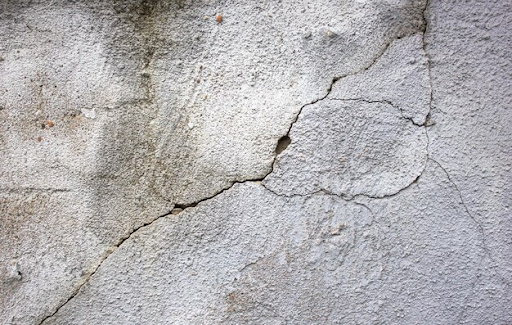
Cracks are one of the most noticeable signs of foundation problems.
Causes
- Settling Soil:
Over time, the soil beneath your foundation may shift or compact, causing the structure to move and crack. - Water Damage:
Poor drainage or excessive moisture can weaken the concrete, leading to cracks. - Thermal Changes:
Expansion and contraction due to temperature fluctuations can create stress on the foundation.
Warning Signs
- Horizontal, vertical, or diagonal cracks in walls or foundation
- Gaps in corners or around doors and windows
- Water leaks through the cracks
Solutions
- Minor cracks:
Seal using epoxy or polyurethane injections to prevent water intrusion and further damage. - Major cracks:
Employ professional structural engineers to assess the damage and stabilize the foundation with methods such as underpinning or wall anchors.
2. Uneven or Sagging Floors
Uneven or sagging floors refer to sections of a floor that are no longer level or structurally even. It might feel like walking uphill or downhill in some parts of the room, or you might see furniture sitting at an angle.
Causes
- Weak foundation supports
- Soil erosion beneath the home
- Moisture-related wood rot in beams and joists
Warning Signs
- Noticeable slope in the flooring
- Cracks in tile, hardwood, or other flooring materials
- Gaps between floors and baseboards
Solutions
- Install screw jacks or sister beams to reinforce sagging floor joists.
- Add foundation piers to stabilize soil and prevent further settlement.
- It is always advisable to seek professional help to fix the sagging floors for a strong foundation.
3. Bowed Foundation Walls
A bowed foundation wall refers to a basement or foundation wall that has become bent, curved, or “pushed inward” from its original vertical alignment.
Causes
- Hydrostatic Pressure: Water buildup in the soil surrounding the foundation creates pressure against the walls.
- Expansive Soil: Certain soils expand when wet, exerting force on the foundation.
- Frost Heaving: Repeated freeze-thaw cycles can push soil against the foundation.
- Tree Roots or Heavy Loads: Nearby trees, heavy vehicles, or improperly distributed weights can also exert pressure.
Warning Signs
- Visible inward curvature or cracks in the foundation wall.
- Horizontal, stair-step, or diagonal cracks.
- Gaps between walls and floors/ceilings.
- Difficulty opening or closing windows or doors above the foundation.
Solutions
- Use carbon fiber strips or steel braces to reinforce the walls.
Reduce hydrostatic pressure by installing exterior drainage solutions such as French drains or sump pumps.
4. Foundation Settlement or Sinking
It is the downward movement of a building’s foundation caused by changes in the underlying soil or structural issues.
Causes
- Soil Compaction: If the soil beneath a foundation compresses over time, it can cause the foundation to sink unevenly.
- Soil Erosion: Water from heavy rain, poor drainage, or plumbing leaks can wash away soil, creating voids under the foundation.
- Expansive Soil: Clay-rich soils expand when wet and shrink when dry, leading to uneven movement of the foundation.
- Poor Construction Practices: A foundation built on improperly prepared or unstable soil may sink as the building settles.
- Tree Roots: Large trees near a home can draw moisture from the soil, causing it to dry out and shrink.
Warning Signs
- Cracks in walls, floors, or ceilings
- Uneven or sloping floors
- Doors and windows that stick or don’t close properly
- Gaps around window frames or exterior doors
Solutions
- Underpinning: Strengthening the foundation using piers or pilings to transfer the load to more stable soil or bedrock.
- Mudjacking or Slabjacking: Lifting a sunken concrete slab by injecting a mixture beneath it.
- Soil Stabilization: Improving soil quality using chemical treatments or grouting to prevent further movement.
- Drainage Improvements: Installing proper drainage systems to prevent water from weakening the soil.
5. Water Intrusion in Basement
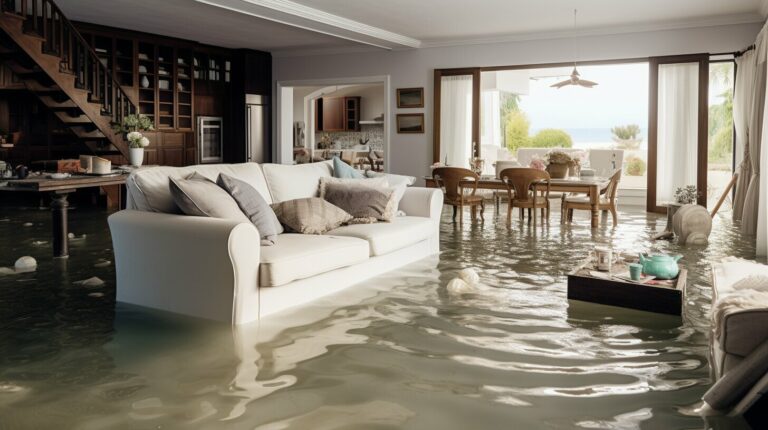
When water enters into the lower level of a building or basement, it can lead to undesirable foundation issues.
Causes
- Foundation Cracks: Water seeps through cracks in the concrete walls or floor.
- Poor Drainage Systems: Clogged or improperly installed gutters and downspouts can cause water to pool near the foundation.
- Hydrostatic Pressure: When groundwater builds up around the foundation, it forces water through weak spots.
- Ineffective Waterproofing: Lack of waterproofing measures or deteriorated seals can allow moisture to penetrate.
- Plumbing Issues: Burst pipes or leaks can contribute to water accumulation in the basement.
Warning Signs
- Damp or musty smell in the basement
- Water stains or puddles along walls and floors
- Mold or mildew growth
Solutions
- Fix foundation cracks and install waterproof coatings on the interior and exterior.
- Ensure proper landscaping drainage and add gutters or downspouts to redirect water away from the foundation
6. Foundation Upheaval
Foundation upheaval refers to the upward movement or lifting of a building’s foundation. It can lead to serious structural problems, such as cracked walls, uneven floors, or stuck windows and doors.
Causes
- Expansive Soils: Certain types of soil, like clay, can absorb water and expand significantly. When this happens, it exerts upward pressure on the foundation.
- Excess Moisture: Water from heavy rains, broken pipes, or poor drainage can cause soil to swell, lifting parts of the foundation.
- Frost Heave: In cold climates, water in the soil freezes and expands, pushing the foundation upwards.
- Tree Roots: Roots from large trees near the home can grow beneath the foundation, potentially causing upward pressure.
Warning Signs
- Sudden lifting or bulging of foundation floors
- Cracks in walls, particularly near the ceiling
- Doors and windows that misalign
Solutions
- Regrade soil around the foundation to prevent water saturation.
- Install a root barrier if nearby trees are the culprit.
Use soil stabilization techniques, such as chemical injections, to reduce soil expansion.
7. Crumbling or Flaking Foundation Concrete
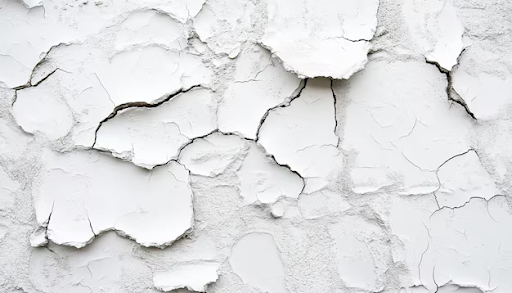
It is also referred to as spalling and occurs when the surface or structural integrity of the concrete starts to deteriorate. This can manifest as chunks of concrete breaking off or as a powdery, flaky surface. It indicates that the foundation material is weakening and losing its ability to support the structure properly.
Causes
- Water Damage: Excess moisture can penetrate the concrete, especially if it’s unsealed, leading to freeze-thaw cycles that cause cracking and crumbling.
- Poor Concrete Mix: An improper ratio of cement, water, and aggregate during construction can lead to weak concrete.
- Age and Wear: Over time, natural wear and exposure to the elements can degrade concrete.
- Chemical Exposure: Certain chemicals, like de-icing salts or acidic substances, can corrode and break down concrete.
- Improper Curing: If the concrete wasn’t cured correctly during installation, it can result in premature weakening.
Warning Signs
- Chipping or flaking concrete on the foundation surface
- Cracks or holes developing in the foundation walls
- Dust accumulation from disintegrating concrete
Solutions
- Sealing and Waterproofing: Applying a waterproof sealant can protect the concrete from further water damage.
- Repairs: Epoxy injections or resurfacing products can fill cracks and restore some structural integrity.
- Professional Assessment: If the damage is severe, consult a structural engineer or foundation repair specialist to evaluate the situation and recommend repairs, such as underpinning or replacement.
8. Poor Foundation Drainage
When water is not effectively directed away from the foundation of a building it leads to excessive moisture buildup around or beneath the structure. This problem can cause significant damage to the foundation over time, such as cracking, shifting, or settling.
Causes
- Improper Grading: The ground around the foundation slopes toward the building instead of away from it, allowing water to pool around the foundation.
- Clogged or Absent Gutters and Downspouts: Without functioning gutters, rainwater flows directly down to the foundation instead of being carried away.
- Poorly Designed Drainage Systems: Ineffective or missing French drains, sump pumps, or perimeter drainage systems fail to manage water accumulation.
- Heavy Clay or Poor Soil Composition: Certain soils retain water longer, which can lead to foundation damage.
Warning Signs
- Pooling water around the home
- Basement flooding during heavy rain
- Accelerated foundation settlement or cracks
Solutions
- Install French drains or a perimeter drainage system to redirect water.
- Grade the soil to create a slope away from the foundation.
- Maintain and clean gutters regularly to ensure proper water flow.
How to Prevent Foundation Problems
Preventative measures can save homeowners significant time and money. Here are a few proactive steps:
Maintain proper drainage
Keep gutters clean and ensure downspouts direct water away from the foundation.
Monitor soil moisture
During dry spells, water the soil around the foundation to prevent shrinkage.
Inspect regularly
Check for warning signs like cracks or uneven floors and address issues promptly.
When to Call a Professional
Some foundation issues, such as minor cracks, can be resolved with simple DIY solutions. However, severe problems like extensive settling, bowing walls, or persistent water intrusion require the expertise of professional contractors.
Ashbury Construction provides expert foundation repair services in San Francisco, specializing in addressing a wide range of foundation issues such as cracks, uneven floors, and structural instability. With over 30 years of experience, their certified contractors use advanced diagnostic tools and high-quality materials to ensure durable, long-lasting results. Their services include foundation inspections, crack repairs, concrete foundation leveling, and reinforcement techniques tailored to each project.
The company is known for its customer-focused approach, offering clear communication and customized solutions to meet clients’ needs. They emphasize quality workmanship, using state-of-the-art technology to detect and resolve issues efficiently. Their professionalism ensures minimal disruption during the repair process and includes follow-up inspections to guarantee client satisfaction
For more details about their services and expertise, you can Contact Here!
Conclusion
Foundation problems are a serious concern for homeowners, but they’re not insurmountable. Understanding the common issues and their solutions empowers you to take proactive steps to protect your property. By addressing minor problems early and seeking professional help such as those from Ashbury Construction when needed, you can maintain the safety, value, and longevity of your home.
Frequently Asked Questions
How do foundation cracks differ in severity, and when should I worry?
Cracks are one of the most common foundation problems homeowners come across. Cracks can be of following kinds:
- Hairline cracks are typically cosmetic and can be repaired with sealants.
- Horizontal or stair-step cracks in walls may indicate structural issues requiring professional intervention.
- Cracks wider than ¼ inch should be inspected immediately, as they often suggest foundation movement.
How can I identify if my bowed foundation walls are dangerous?
Look for horizontal cracks, inward bulges, or water seepage. If the wall appears to lean inward, it’s crucial to address the issue promptly to prevent collapse.
Is water in my basement always related to foundation problems?
Not always, but water intrusion often results from foundation cracks or poor drainage. It is advisable to contact the professionals for the inspection and act according to their suggestions.
Can a leaning chimney be repaired without rebuilding it?
Yes, leaning chimneys can often be stabilized using helical piers or underpinning techniques, preventing further movement.
Can tree roots cause foundation problems?
Yes, tree roots can absorb moisture from the soil, causing it to shrink and destabilize the foundation. In some cases, roots can exert pressure against the foundation.
Are all foundation repairs expensive?
The cost of foundation repair varies depending on the problem’s severity and the repair method.
- Minor repairs, like sealing small cracks, are relatively inexpensive.
- Major issues, such as foundation settlement or significant structural damage, require more advanced techniques like piercing or underpinning, which are costlier.
Early detection and repair are key to minimizing expenses.