How to Choose the Right Material for Custom Cabinets?

Custom cabinets can transform your space with style and functionality. Whether you are customizing the cabinets for your kitchen, bathroom, or any other area in your home, selecting the right material is essential to achieve durability, enhance the appearance and be cost-effective at the same time. When making this decision, several factors come into play, from understanding material properties to considering aesthetic preferences. Here’s a top 5 tips for choosing custom cabinet materials.
Top 5 Tips For Choosing Custom Cabinet Materials: A Comprehensive Guide.
1. Understand Your Needs and Space Requirements
One of the top 5 tips for choosing custom cabinet materials is to have a clear understanding of your needs and the space available to meet those requirements. It is only then you can customize the cabinets you would require and the right material to suit your needs as well as the surroundings.
Based on available area and functionality, different spaces have varying needs:
High-moisture areas
Immediate repairs halt progressive issues caused by soil settlement or water damage.
Areas such as bathrooms and laundry rooms have moisture, therefore, they require materials resistant to water damage.
High-traffic areas
Mostly used areas such as kitchens or mudrooms need sturdy and easy-to-clean options.
Decorative spaces
Living rooms or offices need custom cabinets that focus on style and intricate designs.
2. Popular Cabinet Materials and Their Pros & Cons

After figuring out the needs and space requirements for custom cabinets, the second of the top 5 tips for choosing custom cabinet materials is the material part. Opting for the right material for the cabinets would not only optimize functionality and aesthetic appeal but it will help increase the property value over time.
Solid Wood
A timeless and versatile choice, solid wood is known for its beauty and durability.
- Advantages: Natural aesthetics, customizable, and durable.
- Drawbacks: Susceptible to moisture and temperature fluctuations, leading to warping or cracking.
- Best For: Traditional or rustic styles, and where natural patterns are desired.
Plywood
Plywood is engineered from layers of wood veneers glued together for strength.
Advantages: Resists warping, durable, and affordable.
Drawbacks: Limited design options compared to solid wood.
Best For: High-moisture areas and cost-effective builds.
Medium Density Fiberboard (MDF)
MDF is a composite material made from wood fibers and resin.
- Advantages: Smooth surface for painting, budget-friendly, and resistant to cracking.
- Drawbacks: Less durable than solid wood, susceptible to water damage.
- Best For: Painted finishes or contemporary designs.
Particleboard
This budget-friendly option is made from wood chips bonded with resin.
- Advantages: Cost-effective and lightweight.
- Drawbacks: Low durability and prone to damage in wet environments.
- Best For: Low-traffic or decorative areas.
Stainless Steel
A modern choice, stainless steel is both durable and stylish.
- Advantages: Moisture-resistant, heat-resistant, and easy to clean.
- Drawbacks: Expensive and prone to scratches or fingerprints.
- Best For: Industrial-style kitchens or laboratories.
Thermofoil
A vinyl-coated material often applied to MDF or particleboard.
- Advantages: Affordable, easy to maintain, and available in a variety of finishes.
- Drawbacks: Can peel over time and is sensitive to heat.
- Best For: Modern kitchens or bathrooms on a budget.
3. Tips When Choosing Custom Cabinets for Kitchen and Bathrooms.
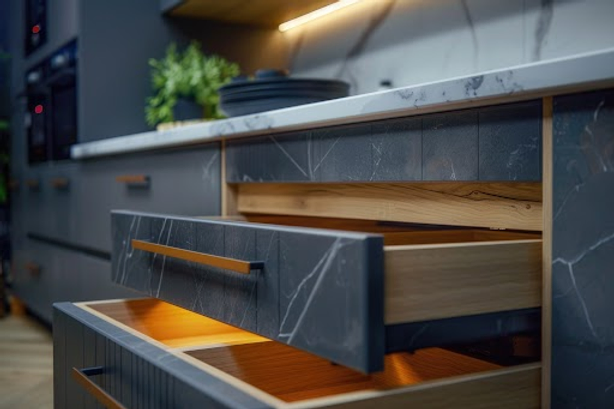
Both kitchen and bathrooms are areas that are frequently used in a day. And this calls for cabinets that are customized in a way that their approach and functionality is highly optimized. Keeping this in mind, we should consider following factors selecting cabinet materials for kitchens and bathrooms:
Durability
Prioritize materials that can withstand daily wear and tear. For kitchens, solid wood or plywood is an excellent choice, as these areas endure frequent use. In humid spaces such as bathrooms and toilets, opt for water-resistant options like marine-grade plywood or stainless steel. Thus, durable cabinet materials are top priority while customizing cabinets.
Aesthetic Appeal
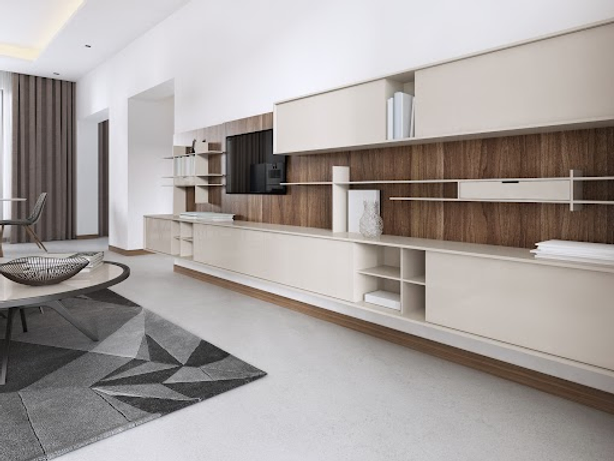
While designing custom cabinets go for the material with your overall home design. Natural wood offers warmth, while sleek materials like stainless steel work well for modern styles.
You can even choose complementary finishes. For example, painted MDF works beautifully in colorful or minimalist designs.
Affordable Cabinet Material Options
One of the important top 5 tips for choosing custom cabinet materials is cost-effectiveness. Solid wood and stainless steel are premium options, while MDF and particleboard are more affordable. You can even consider a combination that uses solid wood for cabinet doors and cost-effective materials like MDF for less visible parts.
Eco-friendly Cabinet Materials
Always look for sustainable materials such as bamboo or reclaimed wood. Opting for materials certified by organizations like the Forest Stewardship Council (FSC) for eco-friendly choices. This can be cost-effective as well as help conserve the natural resources.
Maintenance Requirments
If you have a busy household or working then going for low-maintenance materials like thermofoil or laminated plywood are ideal. Despite having a busy schedule you prefer solid wood, ensure it’s sealed or varnished to reduce maintenance efforts.Finishes like laminates and veneers are great for maintaining appearance over time.
Balancing Functionality And Style
While choosing custom cabinet materials for kitchen and bathroom care should be taken that the materials meet both aesthetic appeal and style while keeping up with its functionality.
Kitchens
- Opt for materials resistant to spills, stains, and heat. Plywood or MDF with a laminate finish is a popular choice.
- For high-end kitchens, consider solid wood cabinets with protective finishes.
Bathrooms
- Moisture resistance is the key. Marine-grade plywood or PVC is an ideal choice for this.
- Thermofoil provides a cost-effective alternative with moisture resistance but requires careful maintenance.
Living Rooms or Offices
- Focus on aesthetics and customizability. Solid wood or veneered MDF is excellent for creating sophisticated designs.
5. Hardware Compatibility
Last but not the least of the top 5 tips for choosing custom cabinet materials is to ensure the material supports sturdy installation of hinges, handles, and other hardware. For instance, solid wood and plywood provide a better grip for screws than particleboard.
Edging Options
- Materials like MDF or particleboard benefit from edge banding to improve durability and aesthetics.
- Natural wood edges add elegance but require careful finishing.
Color and Finish
- For painted cabinets, MDF provides a smooth surface that avoids grain visibility.
- Stained finishes enhance the natural beauty of wood, making it a popular choice for traditional designs.
Ashbury Construction- Best custom cabinet makers in San Francisco.
Ashbury Construction emphasizes the importance of balancing functionality, durability, and aesthetics when selecting materials for custom cabinets. Their top 5 tips for choosing custom cabinet materials inculde assessing the specific environment where the cabinets will be installed—prioritizing moisture-resistant materials like marine-grade plywood or stainless steel for high-humidity spaces and sturdy options like solid wood for areas requiring durability.
For homeowners on a budget, Ashbury suggests combining premium materials for visible sections with cost-effective alternatives for hidden parts. They also advise considering maintenance requirements, ensuring that chosen materials align with your lifestyle. With their professional guidance, Ashbury Construction helps clients achieve cabinets that are both stylish and practical. Visit them for personalized cabinet solutions.
Conclusion
Investing in quality foundation repair offers numerous benefits, from enhancing your home’s structural stability to increasing its market value. It also prevents costly secondary issues, reduces long-term expenses, and protects your property against environmental stressors. Whether you’re noticing early warning signs or addressing severe foundation damage, timely intervention is key.
Frequently Asked Questions
What is the most durable material for custom cabinets?
Among the top 5 tips for choosing custom cabinet material, durability plays a very important role. Solid wood and plywood are among the most durable materials for cabinets. Solid wood offers timeless strength and beauty, while plywood resists warping and works well in high-moisture areas like bathrooms and kitchens.
Are there cost-effective options for custom cabinet materials?
Yes, materials like medium-density fiberboard (MDF), particleboard, and thermofoil are budget-friendly choices. These options are ideal for low-traffic areas or projects where cost is a priority. Another important factor in top 5 tips for choosing custom cabinet materials.
How do I match the cabinet material with my home’s aesthetic?
For a natural and rustic look, opt for solid wood. For modern designs, MDF with a painted finish or stainless steel works well. Plywood with laminate or veneer finishes can mimic the look of wood while being more affordable.
Can I combine materials to save on costs?
Absolutely! A popular strategy is using solid wood for visible parts like doors and drawer fronts, while using MDF or plywood for the cabinet boxes. This combination offers a balance of durability and affordability.
What should I consider when choosing finishes for my cabinets?
Choose finishes based on your style preferences and maintenance needs. Painted finishes work well for smooth surfaces like MDF, while stained finishes enhance the natural grain of wood. Laminate and veneers provide durable, low-maintenance options.
Why should I hire professionals for custom cabinets?
Professional contractors like Ashbury Construction bring expertise in material selection, design, and installation. They ensure your cabinets meet your specific requirements for functionality, durability, and aesthetics.