The Backbone of Modern Construction: Structural Steel Fabrication
Structural steel fabrication is a critical component in contemporary construction, constituting the skeleton of the buildings, bridges, and infrastructure that define our environment. This process entails using untreated steel and creating individually engineered parts that will then be assembled to form strong and durable structures. And without structural steel, from soaring skyscrapers to long bridges, safety, strength, and durability is also impossible. This is because knowledge of the past, development and key players in this industry ensures that we are able to appreciate how far we’ve come, in relation to the use of steel to support and enhance architectural masterpieces all over the world.
1. Introduction to Structural Steel Fabrication
Let’s talk about something that’s literally holding up our modern world – structural steel fabrication. It’s the process of creating steel components that form the skeleton of buildings and structures. Think of it as the bones that keep everything standing tall and strong.
Historical development of steel in construction
Steel in construction isn’t new, but it’s come a long way. Back in the day, iron was the go-to material. But when steel came along, it changed everything. The structural steel fabrication process came into the spotlight with the first all-steel skyscraper, the Home Insurance Building in Chicago, went up in 1885. Can you imagine the excitement? Since then, steel has been the superstar of construction.
Key players in the structural steel industry
The structural steel industry is like a big team. It has got steel manufacturers, fabricators, engineers, and architects all working together. Each plays a crucial role in turning raw steel into amazing structures. It’s like a well-oiled machine, with everyone doing their part to create the buildings we see around us.
2. The Role of Structural Steel in Modern Construction
Advantages of Steel over Other Building Materials
Steel is like the superhero of building materials. It’s strong, durable, and versatile. Structural steel fabrication offers unparalleled advantages. Compared to concrete or wood, steel can span longer distances without support. This means we can create larger, more open spaces. Plus, it’s faster to work with. Quick assembly of steel also makes it a cost-effective steel fabrication solution, saving time and labor on construction sites.
Types of Structures that Benefit from Steel Fabrication
Steel is everywhere in construction. We see it in skyscrapers, bridges, stadiums, and even in our homes. Structural steel fabrication is key to many structures. Large commercial buildings love steel because it allows for those wide-open floor plans. Bridges use steel for its strength and ability to flex slightly under load. Even smaller structures like warehouses and agricultural buildings benefit from steel’s durability.
Impact on Architectural Design and Possibilities
Steel has opened up a world of possibilities for architects. They can now design buildings that seem to defy gravity. Think about those sleek, modern structures with seemingly impossible curves and angles. That’s all thanks to the innovations in the steel fabrication process, with designs that seem to defy gravity.
3. The Structural Steel Fabrication Process
Design and Engineering Phase
Everything starts with a vision and a plan. Engineers and architects work together to design the structure, considering things like load-bearing capacity, wind resistance, and even earthquake protection. It’s like solving a giant puzzle, making sure every piece fits perfectly and safely and setting a foundation for a smooth and efficient structural steel fabrication process.
Material Selection and Preparation
Choosing the right steel is crucial. Different types of steel have different properties, and we need to pick the one that’s just right for each job. Once selected, the steel is carefully prepared. It’s cleaned, cut to size, and sometimes given special treatments to enhance its properties.
Cutting, Shaping, and Assembly Techniques
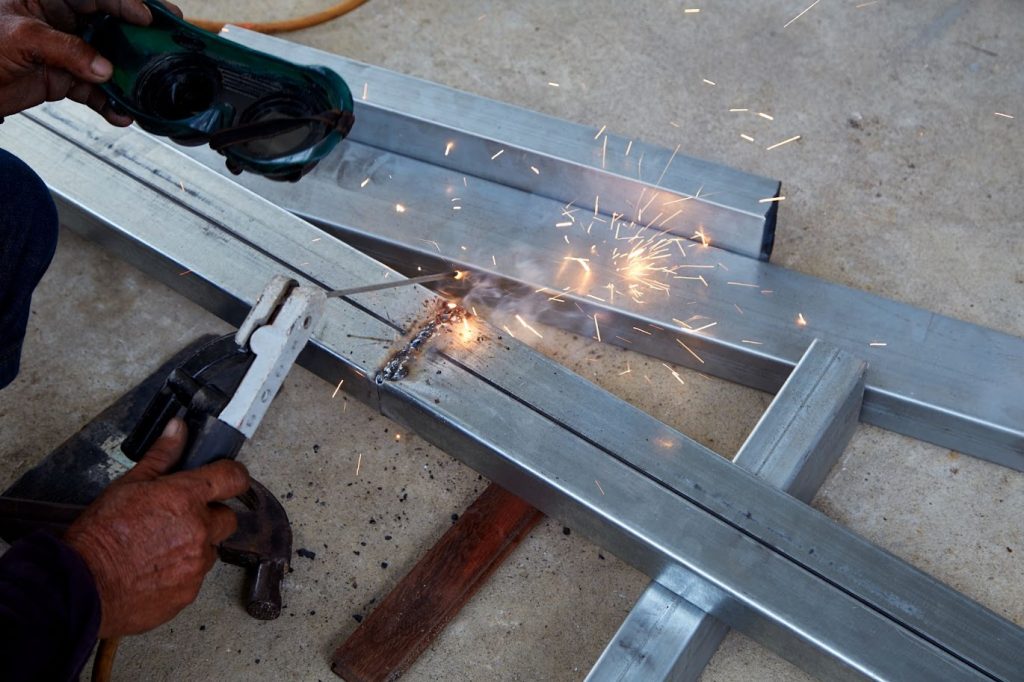
This is where the magic happens. Steel pieces are cut into the right shapes using high-tech machines. Then, they’re bent, welded, or bolted together to form the final components. It’s like a giant, industrial arts and crafts project. The precision of these processes exemplifies the art and science of structural steel fabrication.
4. Quality Control and Safety in Steel Fabrication
Industry Standards and Certifications
Quality is king in steel fabrication. There are strict standards that everyone follows, set by organizations like the American Institute of Steel Construction (AISC). Getting certified by these bodies is a big deal and also non-negotiable in structural steel fabrication.
Inspection and Testing Procedures
Every piece of steel goes through rigorous testing. We’re talking x-rays, ultrasounds, and strength tests. It’s like a full medical check-up for steel. This ensures that every component is up to the task of holding up our buildings and keeping us safe.
Safety Measures in Fabrication and Construction
Safety is paramount in this industry. From protective gear for workers to strict procedures on the fabrication floor and construction site, everything is designed to keep people safe. It’s heartening to see how seriously everyone takes safety in this field.
5. Environmental Considerations in Steel Fabrication
Energy Efficiency in the Production Process
The steel industry has made huge strides in becoming more energy-efficient. Modern furnaces and production methods use far less energy than in the past. The steel fabrication process has made strides toward energy efficiency.
Recyclability and Sustainability of Steel
Here’s a cool fact: steel is 100% recyclable. That means we can use it over and over again without losing quality. It’s like steel has an infinite life cycle. This makes it one of the most sustainable building materials out there.
Reducing Carbon Footprint in Construction
The steel industry is working hard to reduce its carbon footprint. From using renewable energy in production to optimizing transportation, every step is being looked at. It’s encouraging to see an industry taking such proactive steps for our planet.
6. Technological Advancements in Steel Fabrication
Computer-Aided Design and Modeling
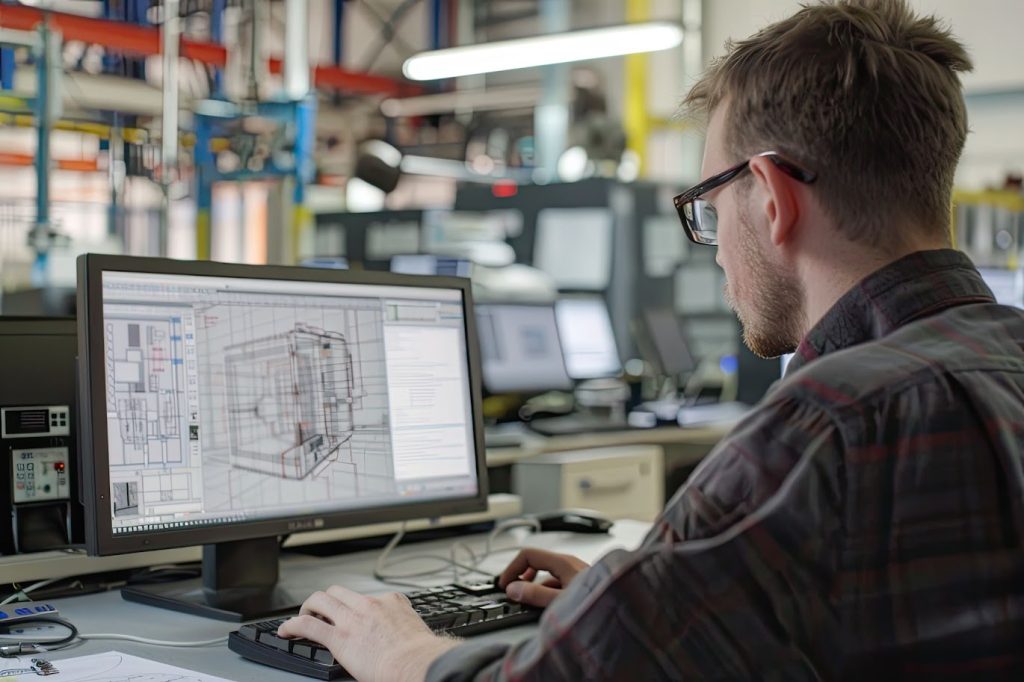
Technology has revolutionized structural steel fabrication. Computer-aided design (CAD) allows for incredibly precise planning. It’s like having a virtual playground where engineers can test and perfect their designs before a single piece of steel is cut.
Automation and Robotics in Fabrication
Robots are now common in steel fabrication plants. They can perform tasks with amazing precision and consistency. It’s fascinating to watch these machines work – they’re like tireless, super-accurate workers.
Emerging Technologies and Future Trends
The future of steel fabrication looks exciting. We’re seeing developments in 3D printing of steel components and even ‘smart’ steel that can monitor its own condition.
7. Economic Impact of Structural Steel Fabrication
Cost-Effectiveness in Construction Projects
Steel can be a real money-saver in construction. Its strength means we need less material overall, and its quick assembly time can significantly reduce labor costs which make it a cost-effective steel fabrication option. It’s like getting more bang for your buck in building projects.
Job Creation and Industry Growth
The steel fabrication industry is a major employer. From engineers to welders, it creates a wide range of jobs. In areas like San Francisco, best steel fabrication contractors play a vital role in boosting employment
Global Market Trends and Forecasts
The global steel fabrication market is growing steadily. With urbanization on the rise worldwide, the demand for steel in construction is expected to keep increasing. It’s an industry with a bright future ahead.
Ashbury Construction: A Trusted Name in Steel Fabrication
Ashbury Construction – ranks among the best steel fabrication contractors San Francisco. With years of experience, the company specializes in crafting high-quality structural steel solutions tailored to meet the unique needs of modern construction projects. From intricate designs to large-scale frameworks, Ashbury Construction ensures every piece is engineered to perfection, adhering to strict industry standards and client specifications.
What sets Ashbury Construction apart is its cutting-edge technology and a team of highly skilled fabricators who prioritize safety, durability, and efficiency. The company’s dedication to timely delivery, cost-effective solutions, and exceptional customer service has made it a preferred partner for architects, contractors, and developers. Whether it’s residential, commercial, or industrial projects, Ashbury Construction continues to be the backbone of modern construction by providing reliable, top-tier steel fabrication services.
Planning to build a structural wonder? What are you waiting for! Contact Ashbury Construction today and turn your dreams of wonder structure into a real construction masterpiece!
Conclusion
Structural steel fabrication, in fact, is the backbone of modern construction. It is a sector that blends strength, precision, and innovation to create the buildings and structures that define our world. Thanks to its rich history and exciting future, the process of steel manufacturing has come a long way, becoming increasingly efficient, sustainable, and versatile. While witnessing the skylines of our major metro areas, we can appreciate the hard work and ingenuity put into every beam and column made of steel.
Frequently Asked Questions
What is structural steel fabrication?
Structural steel fabrication is the process of creating steel components used in construction. It involves designing, cutting, shaping, and assembling steel parts to form the framework of buildings and other structures.
How does steel fabrication contribute to building safety?
Steel fabrication enhances building safety through its strength, durability, and fire resistance. Rigorous quality control and testing ensure each component meets strict safety standards.
Is steel fabrication environmentally friendly?
Yes, steel fabrication can be environmentally friendly. Steel is 100% recyclable, and the industry is continuously improving its energy efficiency and reducing its carbon footprint.
What are the main advantages of using structural steel in construction?
The main advantages include strength, durability, versatility, speed of construction, and cost-effectiveness. Steel allows for larger spans and more open spaces in buildings.
What are the current steel fabrication industry trends?
Some of the important trends to watch for include automation and robotics for greater accuracy, sustainable practices like recycling steel, and cutting-edge technologies like 3D printing and smart steel. Moreover, things such as CAD and BIM are going to make the designs quicker.
How can we make cost-effective steel fabrication?
The use of pre-engineered steel to reduce waste, automated equipment to bring down labor hours, and CAD software to plan the project down to the nuts and bolts all add to the fact that steel fabrication is actually more cost effective.