The Art and Science of Custom Cabinet Joinery: Crafting Enduring Connections

When it comes to custom cabinet joinery, two major things that play a crucial role in creating stunning, durable and functional cabinetry are craftsmanship and precision. The types of joinery in cabinets not only exemplify their aesthetic qualities but most importantly their strength and longevity. From dovetail joints and dadoes, understanding the benefits of joinery in cabinetry helps in choosing the best joinery for cabinets that align with your needs and style preferences.
In this blog, we will help you to think why joinery matters in cabinet construction whether be it in planning a kitchen upgrade or looking for a premium solutions, we have listed out some essential points for about joinery from which you will get the basic understanding and later incorporate it which will elevate your space.
Introduction to Custom Cabinet Joinery
Joinery refers to the skilled craft of connecting pieces of wood to create solid and functional structures. It involves precise cutting, fitting, and assembling techniques to form strong, seamless connections.In cabinetry, it’s all about making those cabinets strong enough to hold your dishes and stylish enough to make your kitchen shine.
Benefits of Joinery in Cabinetry
Joinery in custom cabinets offers several benefits that enhance both functionality and aesthetics:
Durability
High-quality joinery techniques, such as dovetail or mortise-and-tenon joints, create strong, long-lasting connections that withstand daily use.
Precision Fit
Custom joinery ensures each cabinet component fits seamlessly, improving overall stability and appearance.
Aesthetic Appeal
Skilled joinery adds a refined, handcrafted look, showcasing craftsmanship and attention to detail.
Customization
Joinery allows for tailored designs, accommodating unique styles, spaces, and storage needs
Sustainability
Well-constructed joints reduce the need for nails or adhesives, promoting eco-friendly construction practices.
Value Addition
Custom cabinets with expert joinery elevate the overall value of a home due to their durability, functionality, and timeless beauty.
Types of Joints Used in Cabinetry
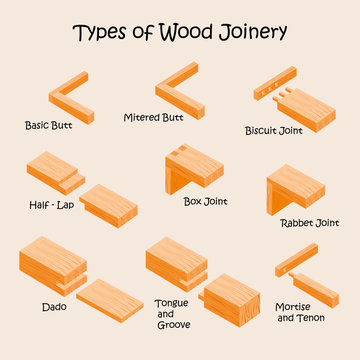
Here are key types of joinery used in custom cabinetry:
Butt Joints
Let’s start simple with butt joints. These are among the simplest types of joinery in cabinets, where two pieces of wood are simply pushed together end-to-end or edge-to-edge. While they’re not the strongest on their own, they’re quick to make and can be reinforced with other methods. Butt joints can be used for simple projects like building a quick storage box for your garage.
Dado and Rabbet Joints for Strength
Dado and rabbet joints are like the dynamic duo of cabinetry. A dado is a groove cut across the grain of a piece of wood, while a rabbet is a recess cut along the edge. These joints provide more surface area for gluing and create a stronger connection. Using dados for shelf support in bookcases is a common use case of it.
Dovetail Joints: The Hallmark of Quality
Dovetail joints truly exemplify the quality in custom cabinet joinery. These interlocking, fan-shaped cuts create an incredibly strong connection that also looks beautiful. While they’re often used in drawers, you might also spot dovetails in high-end cabinet construction. If you are searching for the best cabinet makers in San Francisco, Ashbury Construction has the ability to execute flawless dovetail joints for your space at affordable rates.
Mortise and Tenon Joint
A classic technique where a “tenon” (tongue) fits snugly into a “mortise” (slot), creating a sturdy connection ideal for frames and panels.
Tongue and Groove Joint
A protruding “tongue” on one board fits into a matching groove on another, ensuring a flush, stable connection, often used for panels.
Materials and Tools for Joinery
Combining the right tools and materials ensures precision, durability, and aesthetic appeal in custom cabinetry joinery.
Materials for Joinery in Custom Cabinetry
Wood:
- Hardwood (e.g., oak, maple, cherry): Durable and ideal for structural strength.
- Softwood (e.g., pine, cedar): Suitable for lightweight or decorative joinery.
- Plywood: Stable and cost-effective for cabinet panels.
- MDF (Medium-Density Fiberboard): Smooth surface, great for painted finishes.
Adhesives:
- Wood Glue: Provides strong, long-lasting bonds.
- Epoxy: Ideal for joints requiring extra reinforcement.
Fasteners:
- Nails, Screws, and Dowels: Support and secure joints when needed.
Finishes:
- Stains, Varnishes, and Paints: Protect and enhance the cabinet’s appearance.
Tools for Joinery
Cutting Tools:
- Hand Saws: For precise cuts (e.g., dovetail saws).
- Table Saw or Miter Saw: For accurate, clean cuts.
- Chisels: Essential for shaping and cleaning joints.
Measuring and Marking Tools:
- Measuring Tape, Squares, and Marking Gauges: Ensure precision and alignment.
Joinery Tools:
- Router: For creating grooves, dados, and decorative edges.
- Jigs: Assist with cutting accurate dovetail or mortise-and-tenon joints.
Assembly Tools:
- Clamps: Hold pieces together while glue dries.
- Mallets: For gently tapping joints into place.
Power Tools:
- Drill or Biscuit Joiner: For adding dowels or biscuits for reinforcement.
- Sander: Smoothens surfaces after assembly.
Techniques for Crafting Strong Custom Cabinet Joinery
Measuring and Marking for Precision
The old saying “measure twice, cut once” is never more true than in joinery and will help you in achieving the best joinery for cabinets. Taking the time to measure and mark your pieces accurately will save you a lot of headaches later. This stands true for a successful joinery in cabinetry.
2. Cutting and Shaping Joints Accurately
When it comes to cutting joints, slow and steady wins the race. Whether you’re using hand tools or power tools, take your time and focus on accuracy. This ensures that your custom cabinet joinery fits together seamlessly. There’s nothing worse than ruining an expensive piece of hardwood because you rushed!. We at Ashbury Construction have a lot of expertise in providing accuracy and precision.
3. Fitting and adjusting for seamless connections
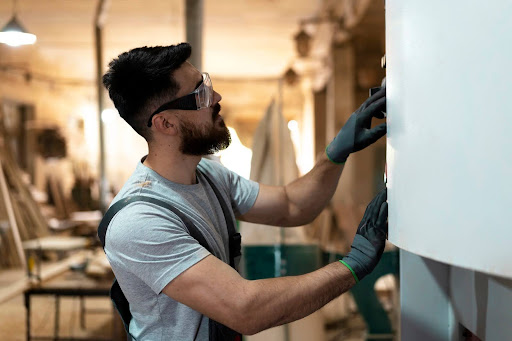
Even with careful measuring and cutting, joints often need a bit of tweaking to fit perfectly. This is where your chisels and sandpaper come in handy. Taking time and making small adjustments until everything fits snugly will result in good joinery in cabinetry.
4. Computer-aided Design and CNC Joinery
Technology is changing the game when it comes to joinery. Computer-aided design (CAD) software allows you to plan and visualize complex joints before you even touch a piece of wood. And CNC machines can cut joints with incredible precision.
Aesthetic Considerations in Custom Cabinet Joinery
Aesthetic considerations in custom cabinet joinery play a crucial role in enhancing the overall look and feel of a space. Here are key factors to consider:
1. Joinery Type and Visibility
- Exposed Joints: Certain joinery types, like dovetails and mortise-and-tenon joints, are visually striking and often highlighted as a design feature, showcasing craftsmanship.
- Concealed Joints: For a sleeker, modern look, concealed joints (such as dowels or biscuit joints) offer a seamless appearance without visible connections.
2. Wood Grain and Texture
- The natural grain patterns and texture of the wood are essential to the cabinet’s aesthetic. Matching wood types and finishing techniques can create a consistent, elegant look throughout the cabinetry.
- Unique grains, such as burl or figured wood, can be used strategically to create a striking visual impact.
3. Edge Details and Finishes
- The edges of the cabinet doors and panels can be enhanced with rounded, beveled, or decorative profiles, contributing to the overall style.
- Finishes such as stains, varnishes, and paints should complement the wood’s natural beauty and the surrounding décor.
4. Symmetry and Proportion
- Well-designed joinery ensures balanced proportions and symmetry, enhancing the overall harmony of the cabinetry within the space.
- Custom joinery allows for precise alignment of doors, drawers, and panels to achieve a uniform, polished appearance.
5. Color Coordination
- The color of the joinery material should align with the desired look of the room. Neutral tones may complement modern interiors, while richer, darker woods add warmth to traditional spaces.
- Contrasting or complementary colors can be used for visual interest, particularly in features like cabinetry frames or accent panels.
6. Design Harmony
- Joinery should complement the overall design theme of the space, whether it’s contemporary, traditional, rustic, or industrial. For example, sleek, straight lines are often favored in modern designs, while ornate, intricate joinery suits classical styles.
7. Functional Aesthetics
- Aesthetic appeal should also align with functionality. The design and placement of joints, such as hidden storage solutions or custom shelving, can blend form and function seamlessly.
Maintaining and Repairing Custom Cabinet Joinery
1. Regular Inspection and Care of Joints
A little preventive maintenance can go a long way in keeping your cabinets in top shape. Make it a habit to check the joints in your kitchen cabinets every few months, tightening any loose screws and looking for signs of stress. And don’t forget about cleaning – dust and grime can actually accelerate wear on your joints over time.
2. Repairing Loose or Damaged Joints
If you do find a loose or damaged joint, don’t panic! Often, a bit of glue and a clamp can fix the problem. For more serious damage, you might need to disassemble the joint and rebuild it with the help of the best cabinet makers in San Francisco like Ashbury Construction.
3. Refinishing and Restoring Joinery
Sometimes, joints that look bad just need a little cosmetic work. Sanding down old glue squeeze-out or touching up the finish around a joint can make a big difference.
Conclusion
We have covered a lot of ground! From the basics of butt joints to the complexities of CNC joinery, it’s clear that the world of custom cabinet joinery is both vast and fascinating. Remember, good joinery is the foundation of sturdy, beautiful cabinets that will last for generations. Whether you’re a DIY enthusiast or a professional cabinetmaker, mastering the types of joinery in cabinets will help you create pieces you can be proud of.
If you’re in the Bay Area, look no further than Ashbury Construction, known as one of the best cabinet makers in San Francisco. Specializing in custom cabinetry, Ashbury Construction offers expert craftsmanship, innovative design solutions, and a commitment to quality that ensures your cabinets are built to last. From selecting the right materials to incorporating the benefits of joinery in cabinetry, our team will guide you in choosing the best joinery for cabinets tailored to your unique needs.
Call Ashbury Construction today and book your consultation to transform your space with bespoke cabinets that combine timeless elegance and superior functionality!
Conclusion
Foundation problems are a serious concern for homeowners, but they’re not insurmountable. Understanding the common issues and their solutions empowers you to take proactive steps to protect your property. By addressing minor problems early and seeking professional help such as those from Ashbury Construction when needed, you can maintain the safety, value, and longevity of your home.
Frequently Asked Questions
What is the most durable type of joint for kitchen cabinets?
While it depends on the specific application, dovetail joints are generally considered one of the strongest and most durable for drawers and box construction in kitchen cabinets.
How do I choose the best joinery for cabinets?
Consider factors like the strength needed, visibility of the joint, ease of construction, and your skill level. Sometimes a simple joint reinforced with modern adhesives can be just as effective as a more complex one.
Are there any joints that don't require glue or fasteners?
Yes! Some joints, like certain types of mortise and tenon or Japanese joinery techniques, can hold together through friction and precise fit alone. However, most cabinetry joints will benefit from some type of adhesive for long-term durability.
What are the most common types of joinery in cabinets?
The types of joinery in cabinets include, Butt Joints, Dado Joints, Dovetail Joints, and, Mortise and Tenon Joints.
5. Why joinery matters in cabinet construction?
Good joinery is essential because it directly impacts the cabinet’s strength, stability, and visual appeal. Without proper techniques, cabinets may warp, break, or fail over time. The precision and craftsmanship involved in custom cabinet joinery elevate your cabinetry, ensuring functionality and beauty coexist seamlessly.